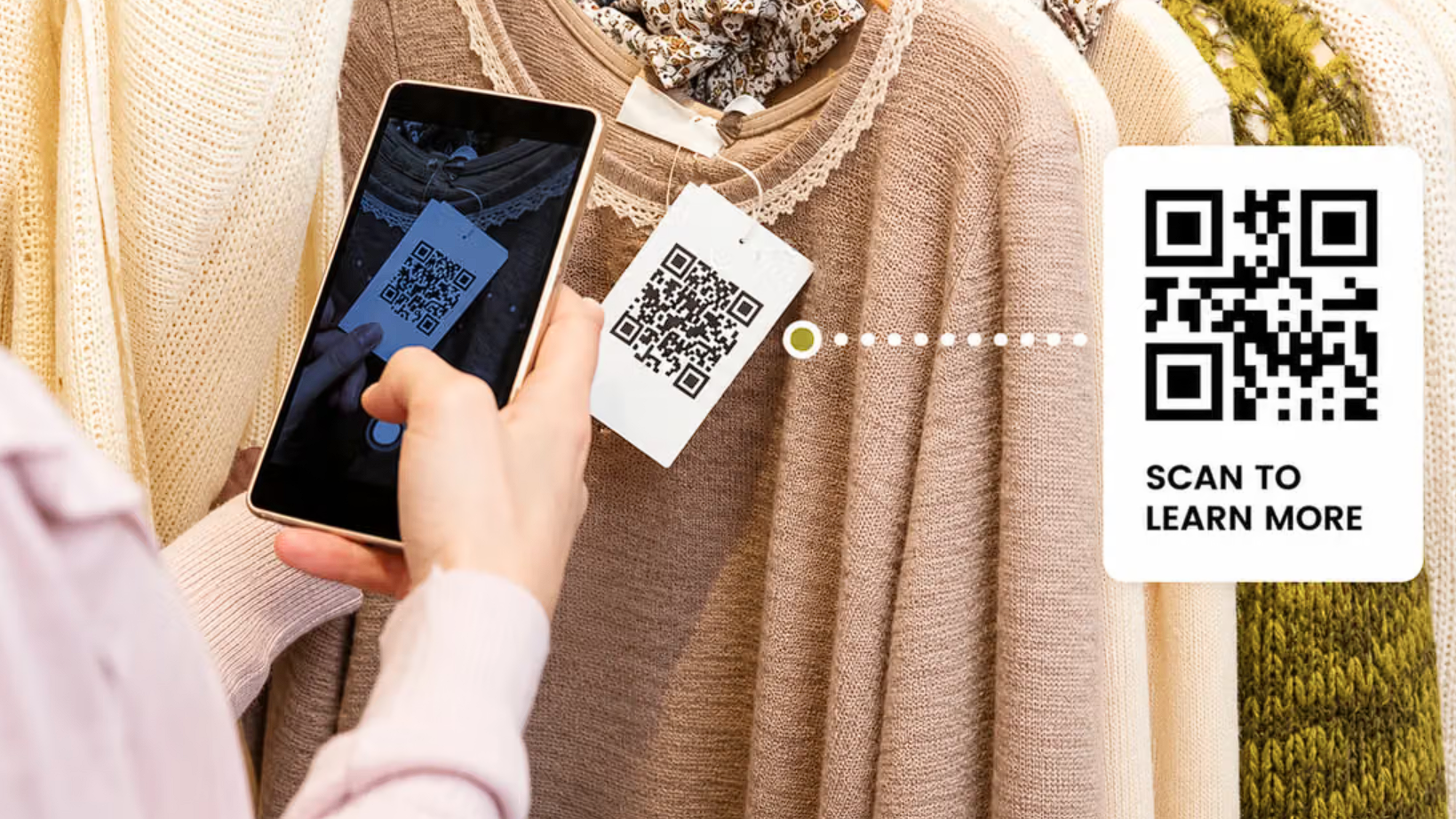
As the retail industry moves closer to the GS1 Sunrise 2027 deadline, the conversation around 2D barcode adoption has shifted from package design to hardware execution. By the end of 2027, the global retail target expects point-of-sale (POS) checkout systems to seamlessly scan both traditional 1D linear barcodes and next-generation 2D matrix symbols.
For supermarket chains, big-box retailers, and independent grocers, meeting this milestone requires more than a software patch. It demands a systematic hardware evaluation of checkout infrastructure, specifically transitioning aging laser-based scanners to modern camera-based optical imagers.
Checkout Scanner Tech Comparison
| Scanner Technology | Primary Capability | 2D / QR Support | Variable Data Parsing |
|---|---|---|---|
| Legacy Laser Scanners | Reads 1D UPC / EAN linear lines only | No | No (Price lookup only) |
| Hybrid Laser-Imagers | Reads 1D lines and selective 2D symbols | Limited | Moderate |
| Full-Area Optical Imagers | Captures high-speed 1D, 2D, and GS1 Digital Links | Full Support | Advanced (Batch, Expiry, URI) |
The Hardware Bottleneck: Why Lasers Are Reaching Their Limit
For over fifty years, omnidirectional laser scanners have formed the backbone of checkout lanes worldwide. These devices bounce laser diodes off spinning mirrors to capture the light reflected from linear UPC bars.
However, laser physics cannot decode a 2D data matrix or a GS1 Digital Link QR code. Trying to scan a high-density 2D code with a legacy laser scanner results in an unread error at the register, leading to cashier bottlenecks and checkout friction.
Industry Guidance:
According to the Retail Point-of-Sale Implementation Guideline published by GS1, retailers must audit their checkout lane hardware to inventory aging laser scanners, ensuring that imager-based upgrades are scheduled well in advance of peak operational quarters.
Software Middleware and Variable Data Parsing
Upgrading checkout hardware to optical imagers is only half the battle. When an imager reads a GS1 Digital Link 2D code at checkout, it captures far more than a simple GTIN—it pulls in variable application identifiers (AIs) such as:
- (10) Batch / Lot Number: Crucial for immediate trace-backs during food safety incidents.
- (17) Expiration Date: Allows POS software to automatically flag or reject expired perishable goods at the register.
- (21) Serial Number: Supports high-value asset tracking and anti-counterfeiting measures.
Retail POS software must be updated with middleware capable of parsing these structured GS1 application identifiers rather than treating the scanned string as a raw URL string. Without middleware integration, cashiers will experience register errors even if the physical scanner reads the code successfully.
Pre-Print Testing and Quality Control for Brands
Before new packaging lines go live with 2D symbols, brand managers and SME manufacturers must verify that printed codes actually register correctly under real-world conditions. Testing physical packaging proofs helps catch contrast, quiet zone, or layout errors before committing to a full commercial print run.
Manufacturers and product managers can use free browser-based mobile Barcode Scanner Tools to test printed EAN, UPC, and 2D GS1 Digital Link samples, allowing them to verify that their barcodes scan smoothly and display accurate product registration data prior to distribution.
Actionable Next Steps for Retail IT Directors
- Conduct a Lane-by-Lane Hardware Audit: Identify every checkout register utilizing legacy laser-only optics and schedule replacements.
- Test POS Software Parsers: Run diagnostic tests with encoded GS1 Digital Link symbols to verify that your POS middleware correctly extracts batch and expiry data fields.
- Establish Supplier Print Compliance: Work with CPG suppliers to ensure incoming packaging meets ISO/IEC 15415 optical grading thresholds.